Get Ready to
Go BLUE.

Tell us a little about your department,
and get started with a demo today!

Backed by SignalFire and Las Olas Venture Capital

Can Police Use Google to Look Up Laws and Policy?

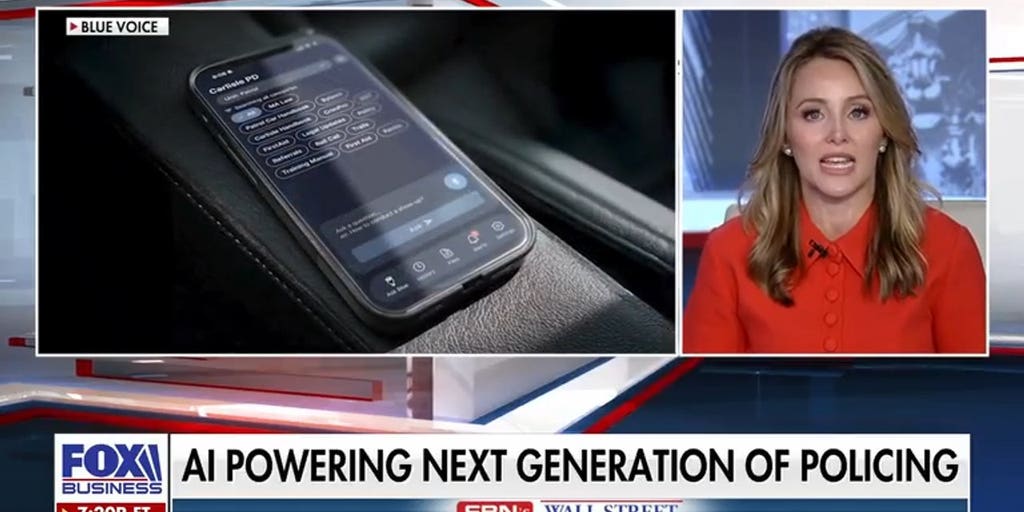
Officers don’t turn to ChatGPT for quick answers in the field. They turn to Google. It’s faster, it’s always there, and nobody ever told them not to. But Google returns results ranked by clicks and SEO — not accuracy, currency, or jurisdiction. When an officer acts on an outdated statute or an out-of-state legal summary, the department carries the liability. Here’s what that risk actually looks like — and what a controlled alternative requires.

Closed-Loop AI vs. Open AI

When officers at a mid-size California department began using ChatGPT to look up arrest procedures last year, no one raised a flag. The tool was fast, the answers sounded authoritative, and it was already on everyone’s phone. By the time command staff learned it was happening, officers had entered case details, suspect names, and incident narratives into a consumer AI platform with no CJIS controls, no deletion capability, and no departmental oversight.

Can Police Use ChatGPT?

In November 2025, a federal judge reviewed body camera footage showing an ICE agent asking ChatGPT to write a use-of-force report. The judge’s response was blunt: the AI tool “may explain the inaccuracy of these reports.” That single footnote in a 223-page ruling raised a question that command staff across the country are now asking: can police use ChatGPT, and what happens when they do?

Loading...